
wps
社媒发表房屋津贴不实言论 时评人接更正指示_我的网站

一 |
"I've come to nature's air conditioner."
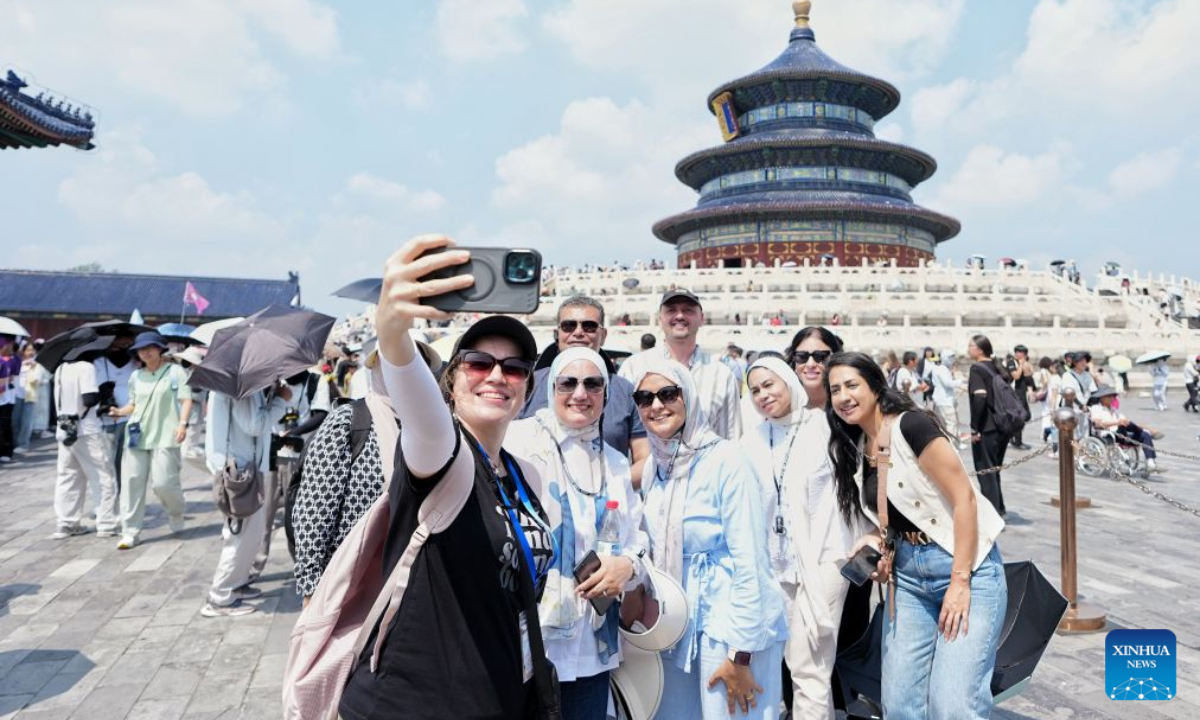
That was the reaction of a Spanish tourist visiting southwest China's Yunnan Province this summer. Before arriving, he had been enduring temperatures of around 40 degrees Celsius. But when his flight landed in Kunming and he stepped out into the breeze, the relief was immediate. His trip in search of cooler weather had proved well worth it.
This summer, as heat waves swept across many parts of the world, an increasing number of foreign tourists are heading to China to escape the heat.
In places such as Zhangjiajie in central China's Hunan Province, where mountain scenery creates a natural cooling effect, and the water town in "Jiangnan," the scenic region south of the Yangtze River, where visitors can enjoy the slower pace of life by the canals, cool weather has become part of the travel experience itself. Local specialties and products that help people beat the heat add to the appeal.
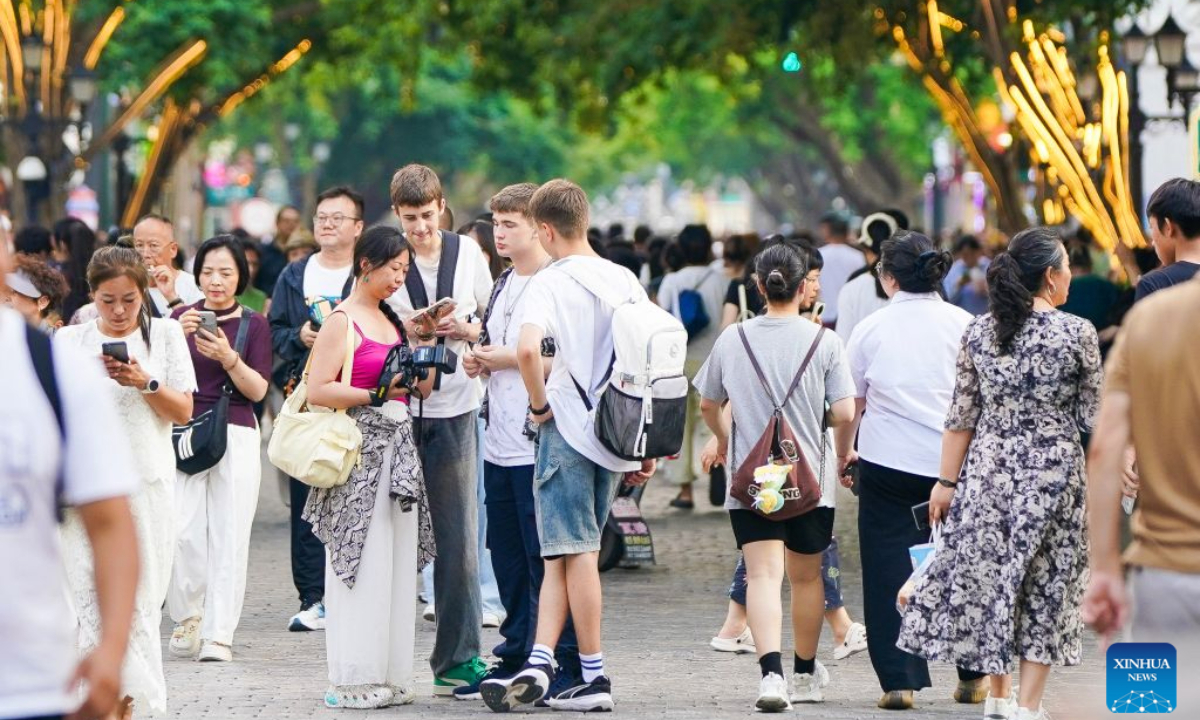
But the "cool" in "China Cool" goes beyond the weather. It also comes from the variety of experiences available to visitors. They can listen to the bells of an ancient temple at dawn, learn traditional crafts from artisans, take a high-speed train to another city, or simply order a late-night meal with a few taps on a smartphone. Such everyday experiences showcase China where tradition, convenience and modern life coexist.
That sense of "cool" is even more striking when it comes to technology. Visitors can explore smart factories, try AI glasses with real-time translation, interact with robots, and take autonomous vehicles. For many foreign visitors, these experiences offer a glimpse of China's high-tech future and add a new dimension to the country's image beyond its traditional landmarks.
The growing number of international visitors has also been facilitated by China's efforts to make travel more convenient. According to the National Immigration Administration, China received 22.91 million inbound foreign visitors in the first half of 2026, up 20.4 percent year on year. Visa-free entries accounted for 77.7 percent of this total.
As more visitors arrive and experience the country firsthand, the way China is talked about overseas is also evolving. Phrases such as "China Travel," "Becoming Chinese" and "Chinamaxxing" have gained attention on overseas social media, while "China Cool" offers a new way to capture the broader appeal of these experiences, reflecting interest in China that is no longer experienced only through its famous landmarks, but also through its culture, technology, services and everyday life.
For international visitors, China is proving to be cool in more ways than one.

。 (新加坡讯)新加坡时评人梁实轩(Leong Sze Hian)因为在社交媒体发表有关房屋津贴的不实言论,接到更正指示。《8视界新闻网》报导,国家发展部发表文告说,梁实轩上个星期三(21日)在社交网站面子书贴文,指当局没有按收入调查情况发放转售组屋购屋津贴。这是不实指控。文告澄清,实际上,首次购屋者购买转售组屋可享有额外安居津贴(Enhanced CPF Housing Grant)、公积金购屋津贴(CPF Housing Grant)和近居购屋津贴(Proximity Housing Grant)。其中,额外安居津贴额是根据购屋者的收入而定的,以确保有需要的群体获得更多协助。首次购屋的家庭最多可获得12万新元的津贴。此外,只有家庭每月收入不超过1万4000新元的首次购屋者才能享有公积金购屋津贴。如果购买2到4房式组屋,津贴是8万新元;5房式或更大型组屋,津贴是5万新元。

二 | 国家发展部长李智陞已通过防止网络假信息和网络操纵法令(POFMA)办事处,向梁实轩发出更正指示。
Current article:http://wzzw86i.senbatuqiuzhuanlanrilao.sbs/53l4/8yh8j1z.html
Published on:04:17:17